Clipping campaigns: how they work and what they really pay
Brands and streamers now pay clippers per verified view. Here is how a campaign works, what the rates look like, and the rules that decide whether you get paid.
 SocialShot team17 Nov 20263 min read
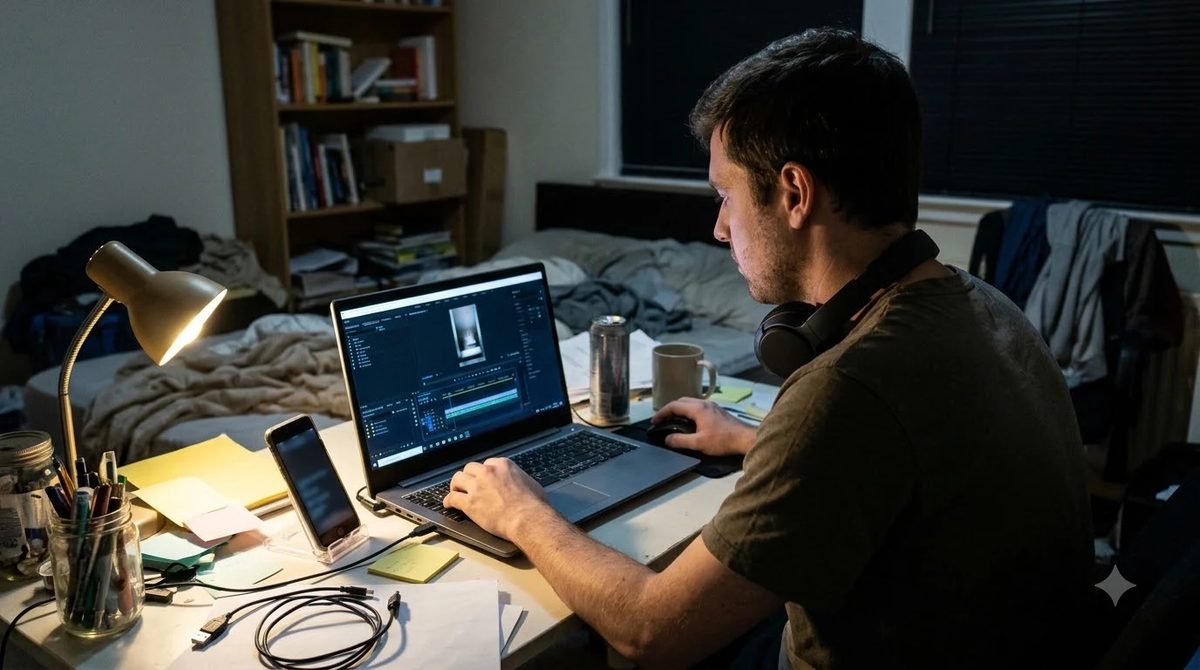
A year ago "getting paid to clip" sounded like a scam. In 2026 it is a normal line in a streamer's budget. Creators and brands put money into clipping campaigns, clippers post short clips from their own accounts, and payment follows the views. This guide explains how a campaign works, what it pays, and how to avoid the mistakes that get clips rejected.
How a clipping campaign works
- A creator or brand funds a budget. For example, a streamer sets aside a fixed amount for clips of this month's streams.
- They publish the rules. Which streams or episodes you may use, which platforms count (usually TikTok, YouTube Shorts and Instagram Reels), what to put in the caption, and the rate per 1,000 views.
- You clip and post from your own accounts, then submit each post's link.
- Views are verified over a tracking window. Views bought with ads, or clips that break the rules, do not count.
- You get paid on approved views, usually up to a maximum per clip, and only while the budget lasts.
What clipping campaigns pay
There is no standard rate. Reports from 2026 say most campaigns on the biggest marketplace, Whop's Content Rewards, sit around $0.50 to $1.50 per 1,000 views, with individual listings from about $0.20 up to $6. Music campaigns are often at the low end. Campaigns above about $3 per 1,000 views tend to have strict rules on length, captions and account size.
So a clip with 100,000 approved views at $1 per 1,000 earns about $100. Most clips get far fewer views than that. Treat every income figure you see online as a range, not a promise: many of them come from companies that run clipping platforms.
How to pick a campaign worth your time
- You know the content. If you already watch the streamer or podcast, you will spot the moments before other clippers do.
- There is enough budget left. A high rate on an almost empty budget pays less than a lower rate on a fresh one.
- The rules are clear. You should know exactly which footage is allowed, how to credit it and how views are counted.
- The content clips well. Big reactions, arguments, fails and punchlines work. Slow strategy streams are hard to cut into 30 seconds.
Why clips get rejected
- Footage from outside the allowed streams or dates.
- Missing the tag, link or caption text the campaign asked for.
- Low-effort reposts: no cut, black bars, no captions.
- Views that look bought or botted.
- Posting the same clip many times across accounts.
Set up a workflow that keeps up
The hard part of clipping is not editing. It is watching hours of stream to find 30 good seconds. A live stream clipper follows the channels you are allowed to clip and saves the moments while the stream is still live, so you start editing when the moment happens, not the next morning.
- Add each campaign's channels to your clipper. SocialShot works with Twitch, Kick and YouTube.
- Review the clips that arrive, keep the strongest and trim them tight.
- Add word-by-word captions and the campaign's text.
- Post, then submit the links before the tracking window starts.
Is it worth doing?
For most people clipping is extra income, not a salary. It rewards people who know a niche, post quickly and edit well. Read every campaign's rules, keep your accounts clean, and track which campaigns actually paid. That record will tell you more than any "make $10,000 clipping" video.
Sources, checked 17 November 2026: OpenClip, Opus Clip blog, ClipAffiliates, CreatorDB. Rates change by campaign and month; check the live listings.
Questions
01What is a clipping campaign?
A campaign is an offer from a streamer, podcast or brand: you may clip this content, post it on these platforms, and you get paid a set amount per 1,000 verified views until the budget runs out.
02How much do clipping campaigns pay?
Rates vary by campaign. Reports from 2026 put most marketplace campaigns around $0.50 to $1.50 per 1,000 views, with a wider range of about $0.20 to $6. Higher rates usually come with stricter rules.
03Where do people find clipping campaigns?
On clipping marketplaces such as Whop's Content Rewards, in creators' own Discord servers, or by asking a creator directly. Read each campaign's rules before you post.
04Do I need expensive software to clip?
No. You need a way to find the moments, cut them vertical and add captions. A tool that clips streams while they are live saves the most time, because you do not have to watch every hour.